 English
 Español
 中文简体

Home / News / Industry News / OEM Pet Cage Design Priorities Are Shifting Toward Practical, Flexible Housing
For manufacturers, this changes how an OEM Pet Cage should be developed: it must work for the animal, fit the retailer’s product strategy, and remain practical through manufacturing, shipping, and repeated use. Recent B2B sourcing discussions also place greater attention on factory capability, packaging, customization, and quality consistency.
Designing for Cleaning and Daily Handling
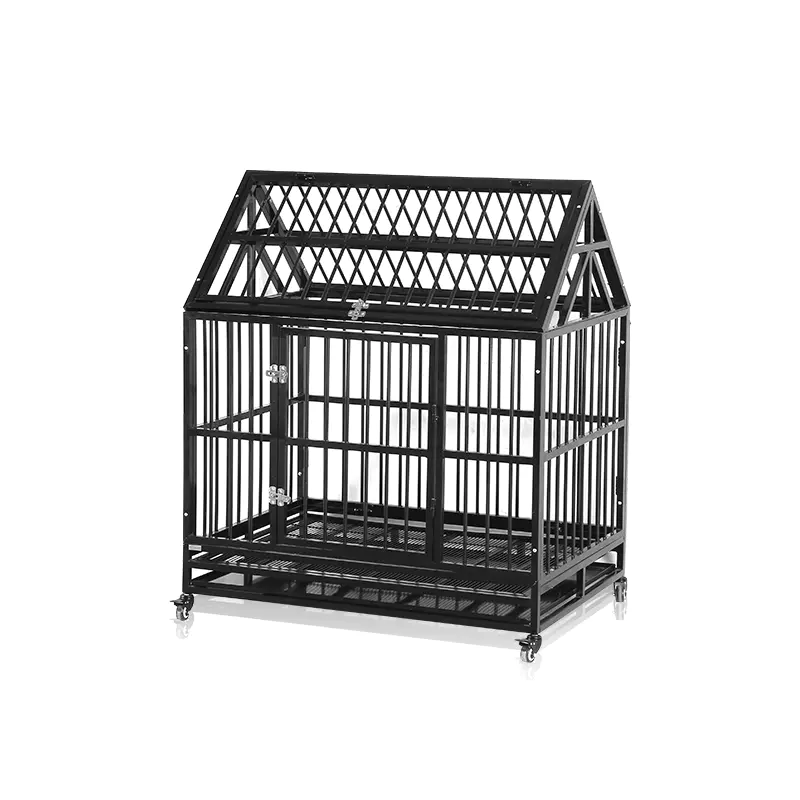
A cage can look attractive but become difficult to maintain if trays, doors, corners, or joints are poorly designed. Manufacturers should consider:
- Removable trays for easier cleaning
- Accessible door structures
- Smooth internal surfaces with fewer debris-collecting areas
- Secure connections that remain stable after repeated assembly
Balancing Ventilation, Visibility, and Security
Pet owners increasingly expect housing products to provide a comfortable environment rather than simply restrict movement. Cage design needs a practical balance between ventilation, visibility, accessibility, and structural security.
Mesh spacing, frame construction, door placement, and platform positioning should match the intended animal type and size. These requirements are better defined before tooling rather than treated as cosmetic changes later.
Modular Features Support Different Retail Markets
International buyers may need different configurations for different sales channels. Modular structures can provide flexibility without requiring a completely separate product line.
Depending on the product concept, manufacturers can evaluate:
- Removable platforms
- Stackable structures
- Foldable frames for storage and shipping
- Interchangeable accessories or panels
- Different finishes and colors for private-label collections
Material Selection Should Match the Application
Material choices influence durability, maintenance, appearance, and production cost. Metal cages remain practical for many applications because their frames can be engineered around specific load and access requirements.
For OEM projects, buyers should define the intended animal, indoor or outdoor use, cleaning routine, dimensions, packaging requirements, and target sales channel before finalizing materials. This gives the manufacturer a clearer basis for sample development.
Packaging Is Part of Product Engineering
A cage is not finished when it leaves the production line. Packaging affects shipping efficiency, handling, retail presentation, and product condition on arrival. Foldable or knock-down structures may offer packaging advantages, but connectors, panels, trays, and accessories still need protection from movement and impact.
Manufacturers should verify packed dimensions, carton strength, component protection, assembly instructions, and labeling before mass production.
A More Practical OEM Development Process
A structured OEM workflow reduces unnecessary revisions. We recommend confirming the project in stages: application, dimensions, material and finish, functional configuration, branding, packaging, sample approval, and production inspection. Each stage gives the manufacturer and buyer an opportunity to resolve technical details before they affect the next step.
For brands developing a new cage collection, factory feedback can identify manufacturing constraints early. A design should not only look suitable in a catalog but also remain consistent during commercial production.
Building Better Pet Cage Programs for Global Buyers
Customized pet products create opportunities for manufacturers to support more than logo printing. An experienced OEM partner can help translate a buyer’s market positioning into workable dimensions, materials, structures, packaging, and production specifications. By treating cleaning, animal comfort, manufacturing consistency, and logistics as one connected development process, an OEM Pet Cage can become a practical product for retailers and end users.