 English
 Español
 中文简体

Home / News / Industry News / Practical Solutions to Extend O-Ring Chain Service Life for Daily Industrial and Power Sport Operations
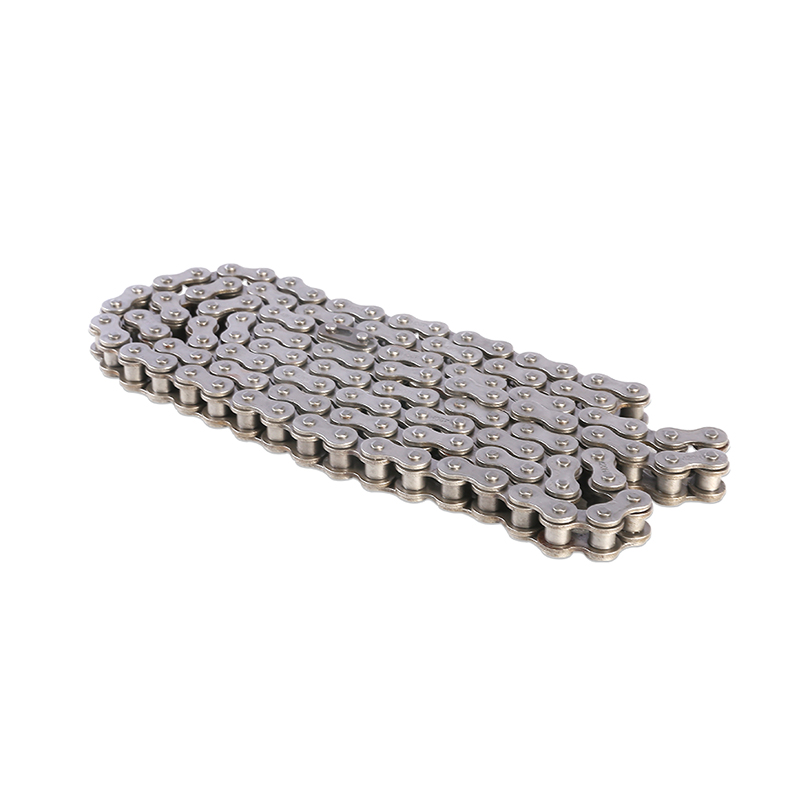
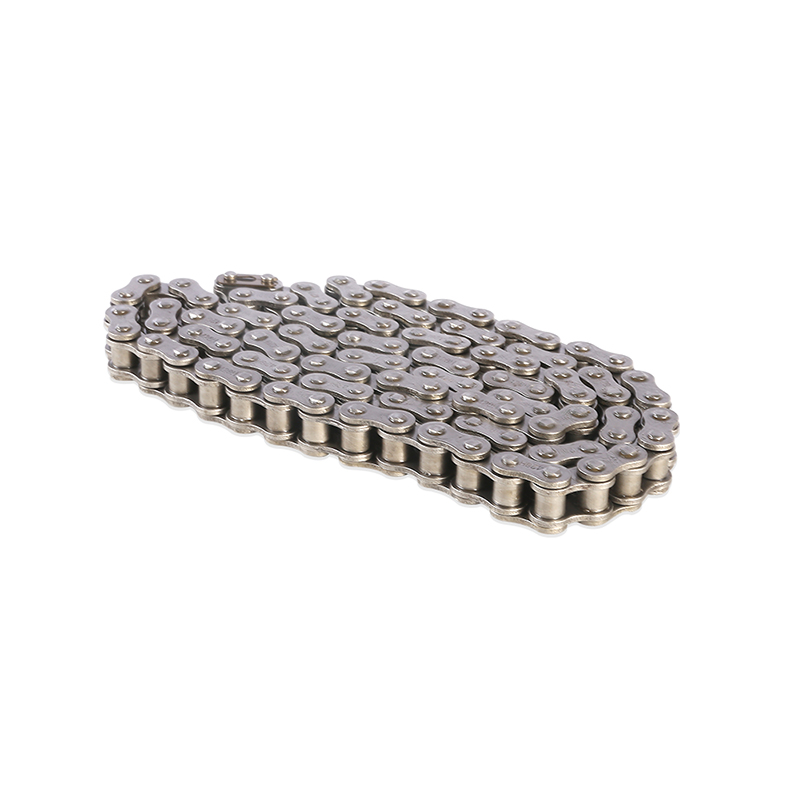
As a professional O-Ring Chain Factory, we communicate with global engineers and procurement teams every week, noticing many avoidable breakdowns originate from simple selection, assembly and maintenance errors. Many buyers focus merely on upfront pricing while overlooking hidden downtime costs caused by premature chain wear. We share field-tested, actionable advice to help businesses maximise return on investment when deploying sealed roller chains in diverse working environments.

Identify Working Conditions Before Confirming Chain Specifications
No universal O-ring chain fits all operational scenarios. Engineers should sort out core operating parameters: average load, running speed, ambient dust, water exposure and temperature fluctuation. Chains used on off-road vehicles face constant mud and sand intrusion, while units on light industrial conveyors encounter continuous low-speed rotation. Clarifying these details allows manufacturers to match suitable steel grade and O-ring rubber compound, preventing early seal hardening or metal corrosion. Vague parameter descriptions often result in mismatched chains that fail far ahead of expected service cycles.
Recognise Early Warning Signs of Damaged O-Ring Seals
Most chain failures start with compromised O-ring seals rather than broken plates or pins. Operators can complete quick routine checks during equipment shutdowns:
- Visible rubber cracking, flattening or detachment on sealing rings
- Dry joint areas without consistent factory grease retention
- Unusual noise during operation unrelated to sprocket alignment
- Rapid chain elongation observed in short usage cycles
Once seals lose integrity, dust and moisture enter pin and bushing clearances, triggering accelerated abrasive wear. Early detection avoids unplanned equipment halts and expensive emergency replacements.
Follow Standardised Assembly Rules to Protect Sealing Components
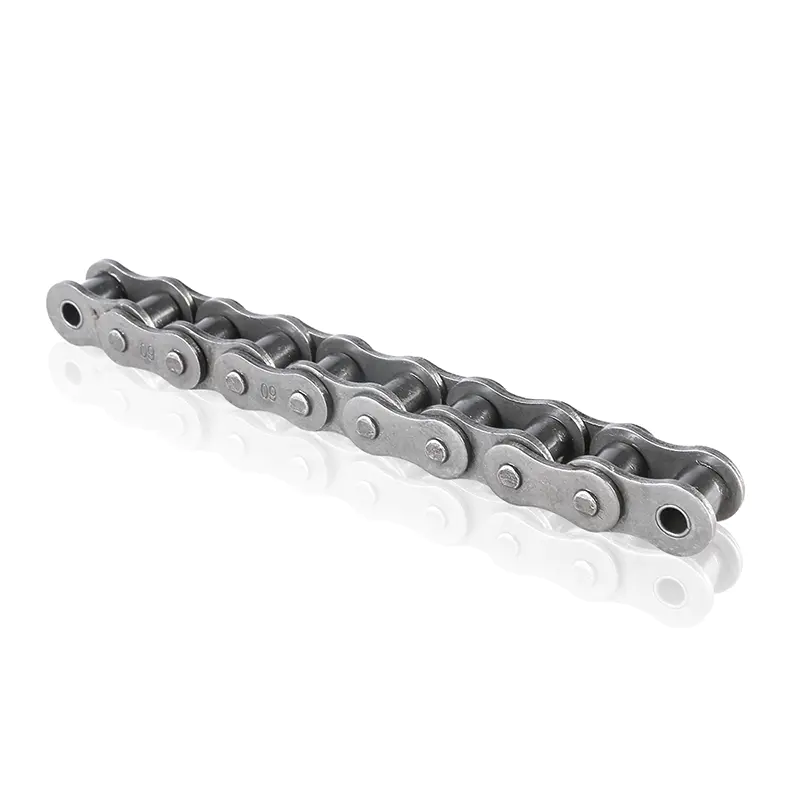
Improper installation is one of the top causes of shortened O-ring chain lifespan. Avoid sharp tools when connecting chain segments; sharp edges easily nick elastic O-rings. Ensure every sealing ring stays evenly positioned without twisting before fitting outer link plates. Do not over-tighten chain tension. Excessive tension increases friction on seal edges and accelerates rubber fatigue. Many field samples returned to our workshop show seal damage generated purely from careless assembly instead of manufacturing defects.
Choose Compatible Lubricants for Sealed Chain Structures
Unlike ordinary open roller chains, O-ring chains rely on internal pre-filled grease to maintain smooth movement. Randomly spraying heavy, incompatible lubricants on the surface brings limited benefits. Some low-quality oils will penetrate rubber materials and cause swelling or degradation of O-rings. For outdoor and wet working conditions, select lightweight, non-corrosive chain lubricants designed for sealed chain models. Focus maintenance on cleaning external dirt instead of attempting to replace internal sealed grease.
Balance Bulk Procurement and Stable Inventory Cycles
Global purchasers continue prioritising supply chain stability when sourcing transmission components. Working directly with a professional manufacturer enables flexible order adjustments for standard sizes and custom chain variants. We suggest customers maintain reasonable safety stock for frequently used specifications, while placing scheduled bulk orders to optimise logistics costs. Clear communication on delivery schedules helps both sides avoid production delays caused by stock shortages.
Customised Chain Adjustments for Specialised Application Scenarios
Standard dimension chains satisfy general demands, yet some projects require targeted modifications. Clients engaged in agricultural machinery, ATV manufacturing and light transport equipment often need adjustments on plate thickness, surface anti-rust treatment, or reinforced sealing structures. Our technical team supports drawing verification and small-batch trial production before mass orders, ensuring finished O-ring chains match unique equipment layout and load requirements.
Understanding every detail from specification selection to daily maintenance directly lowers long-term operational expenses. As a trusted O-Ring Chain Factory, we keep refining product performance based on real feedback from worldwide end users, delivering durable sealed roller chains and technical support to help buyers reduce equipment failure risks and achieve steady production efficiency.